

Agriculture, since time immemorial, has been the back-bone of Ghana's economy. However, recognized changes in rainfall patterns in Ghana over the years have compelled most farmers in the Northern, Brong-Ahafo and Ashanti regions of Ghana to abandon the farming profession and migrate to cities in search of non-existing jobs. An estimated 70% of Ghana's population depend directly or indirectly on agriculture (fisheries, crop and animal farming etc.). Ghana's capital, Accra, and the Asante regional capital, Kumasi, have been the most hit by these large movement of persons.
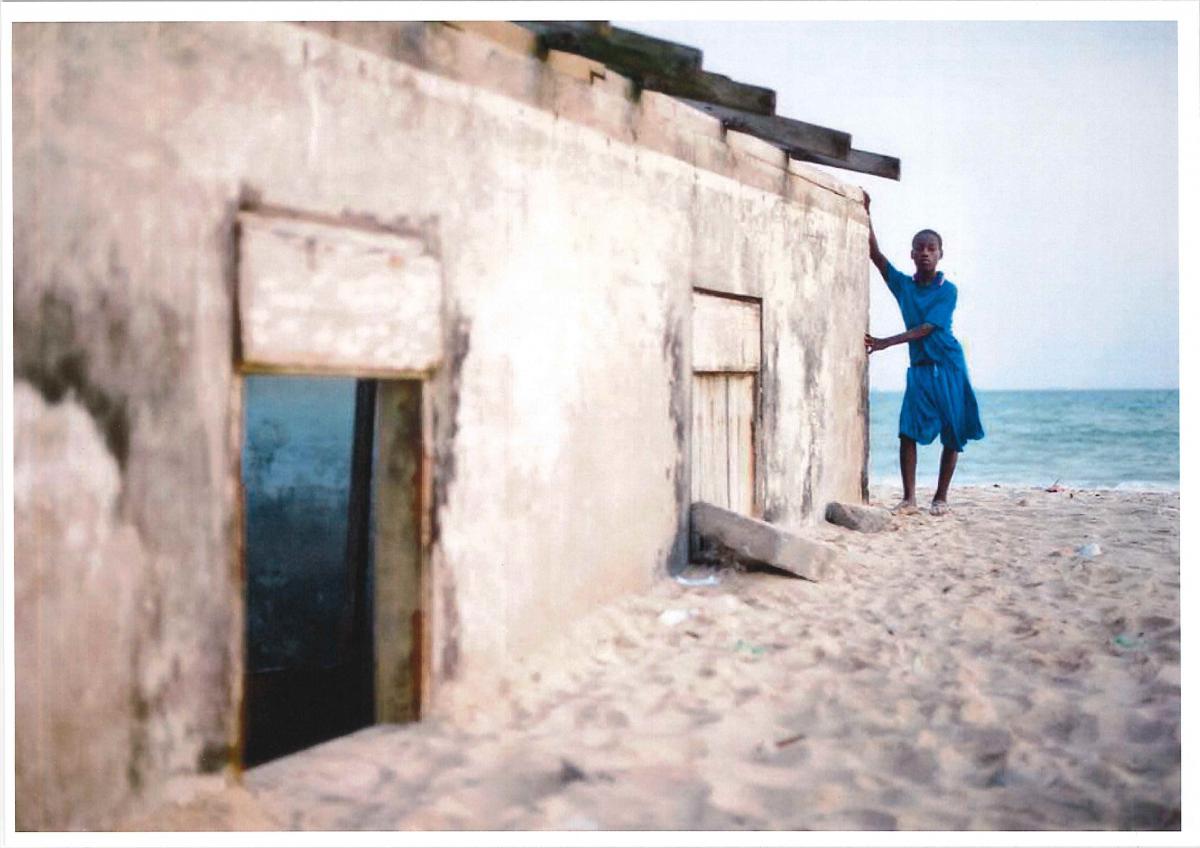
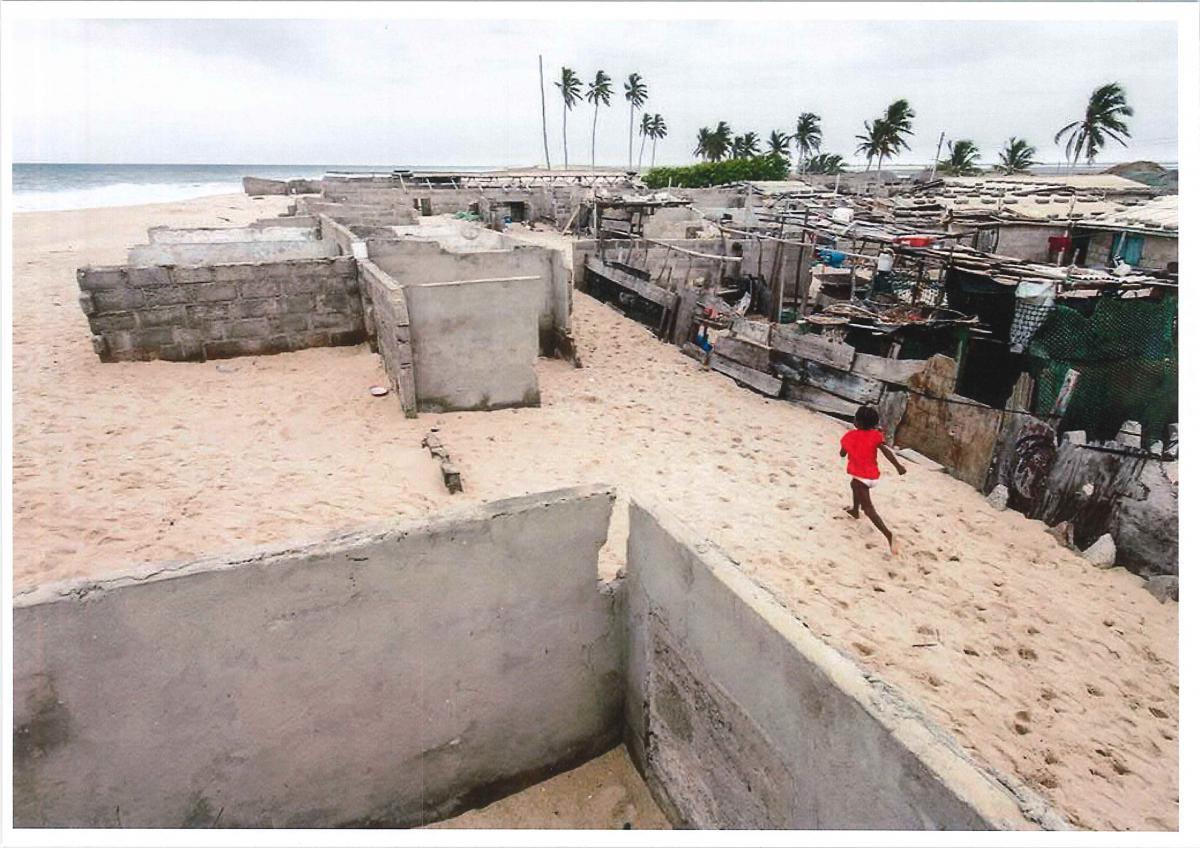
Rising sea levels has, and continue to threaten livelihood in communities along Ghana's coastal belt for well over two decades. A great number of houses built along Ghana's coasts in the late 19th and early 20th centuries have submerged in the sea, with many more houses under threat if nothing is done by the Government to contain the situation. These loss of arable land to the sea, due to climate change, is gradually creating the phenomenon of internally displaced persons (IDP) in Ghana.
A study published by the Centre for Remote Sensing of the University of Ghana has warned that some 1,000 buildings, and some 650,000 Ghanaians living in three communities in the Dansoman area of Accra will be vulnerable to permanent flooding by 2100, as the shoreline is expected to recede by more than 200 metres. Obviously these Ghanaians will have to relocate and re-integrate into other communities whose cultures are alien to their own.
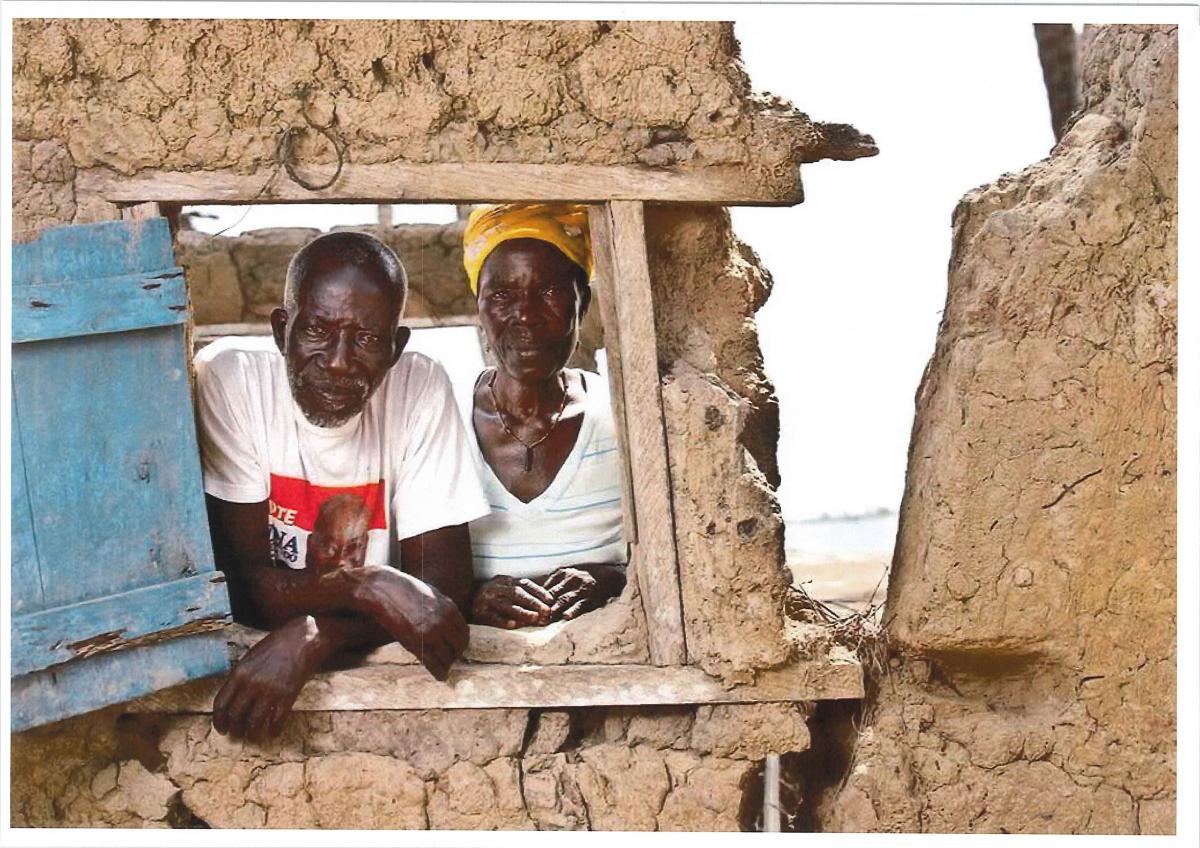
As a stop-gap measure to contain the rising sea levels, the Ghana Government has begun constructing sea defense structures along coastal communities. The most recent project is the Keta Sea defense project which has helped to slow down the rate of erosion along the Keta coast estimated to be eroding at some four metres per annum. The Prampram beach in the Greater Accra region of Ghana has been at the receiving end of the effect of climate change due to the breakwaters of the Terna Harbour. Communities along these coastal areas have had to re-settle on higher grounds. Photos of the effects of climate change in Ghana are found below.
For more information: